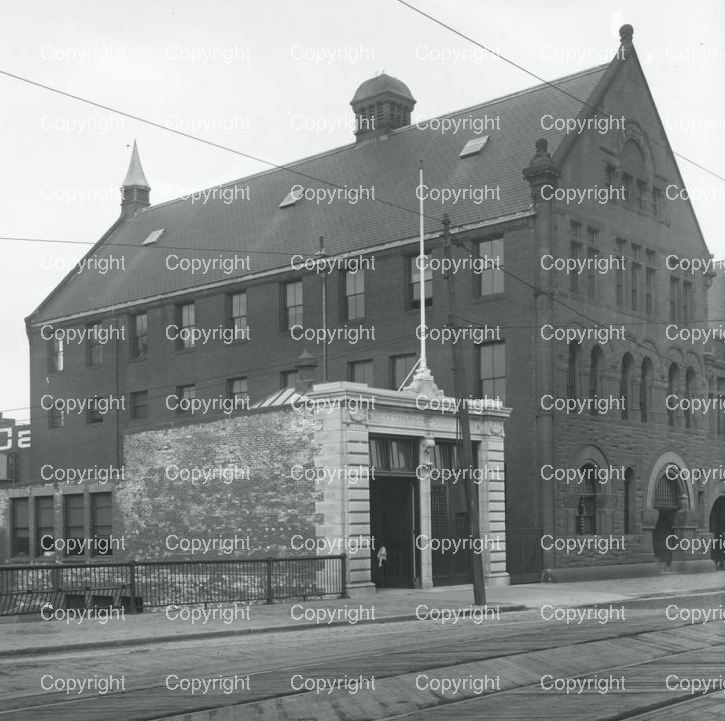
Lithographer Louis Prang brought the tradition of the Christmas card to America. This image of his Boston factory was taken from King’s Handbook of Boston, 1883.
German Lutheran Trinity Church, Parker Street, taken from Moses King, King’s Handbook of Boston, 1883.
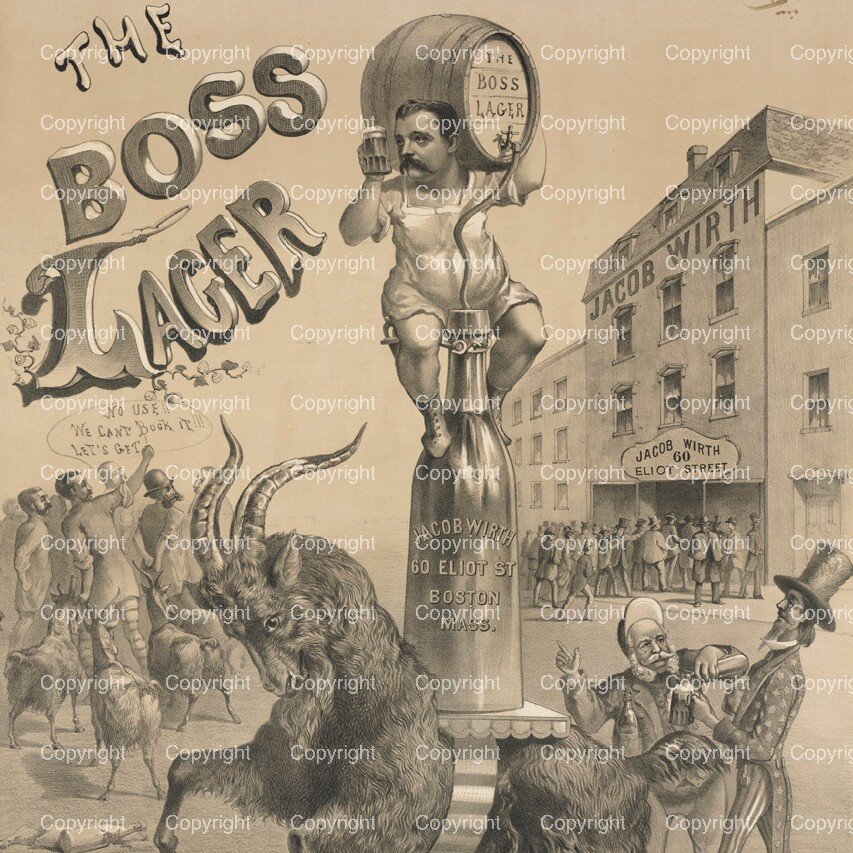
In 1868, Jacob Wirth German restaurant and bar. The Boss Lager advertising poster is courtesy of the Boston Public Library, Digital Commonwealth.
One Hundred Cartoons by Cesare (Boston; Small, Maynard, 1916) Philip A. Burrage Collection.
Cesare, “The Octopus.” American ships were vulnerable to attack by German U-boats. Cesare, One Hundred Cartoons by Cesare (Boston: Small, Maynard, 1916), reflects that fear. Philip A. Burrage Collection.
One Hundred Cartoons by Cesare (Boston; Small, Maynard, 1916) Philip A. Burrage Collection.
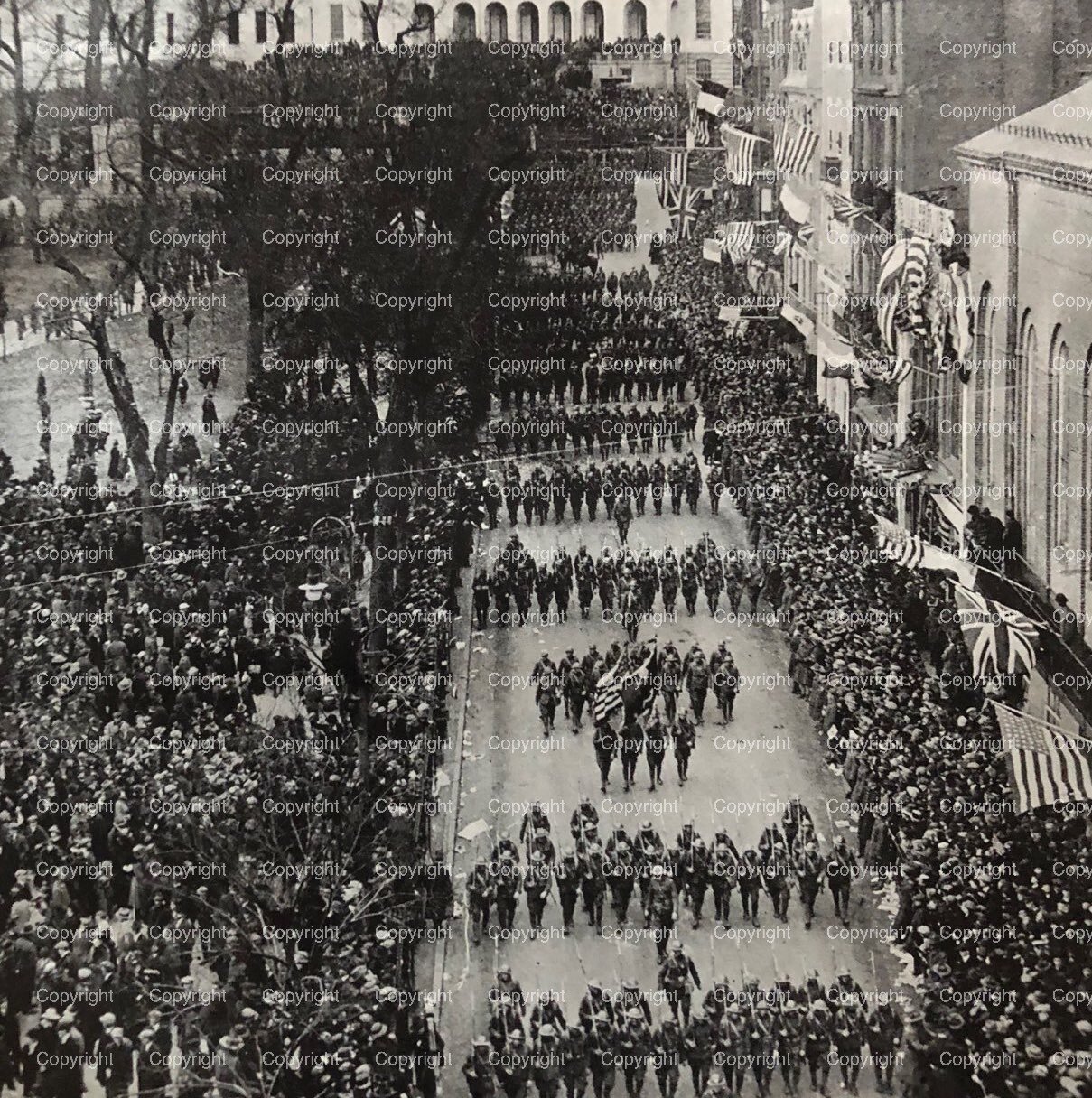
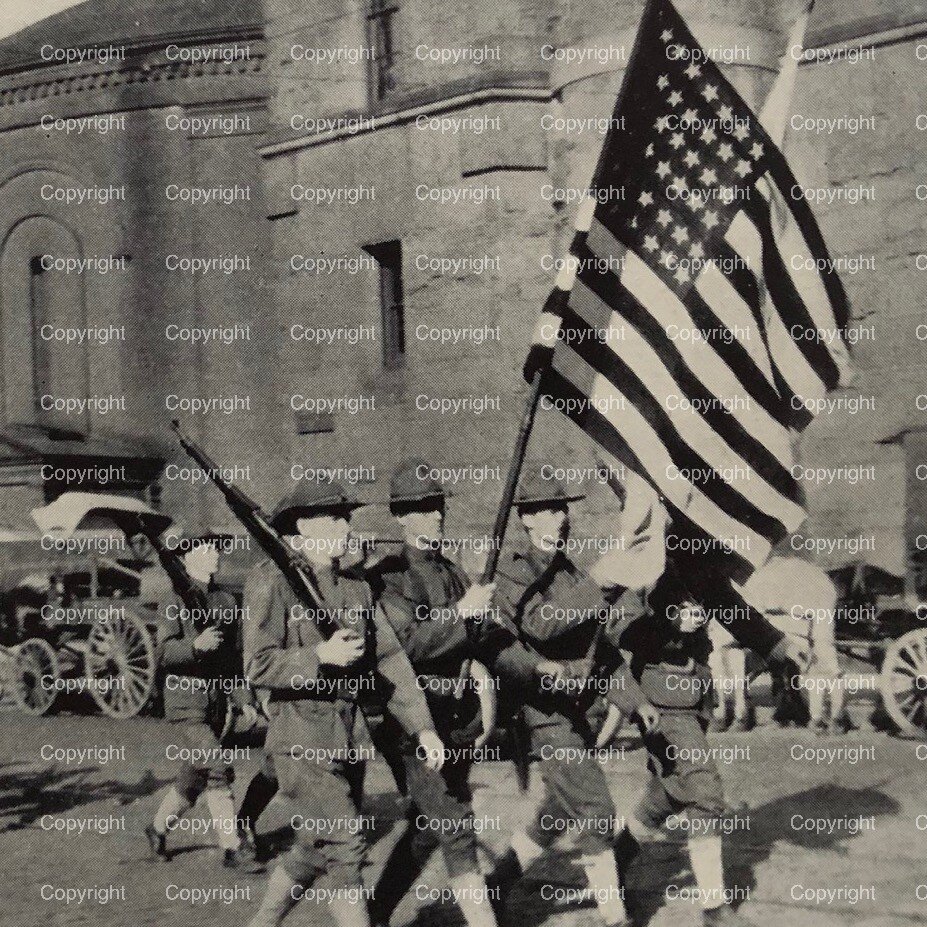
101st Engineers, Twenty-Sixth Division, marching down Park Street. Pictorial History of the Twenty-Sixth Division United States Army (Boston: Ball, 1920). Philip A. Burrage Collection.
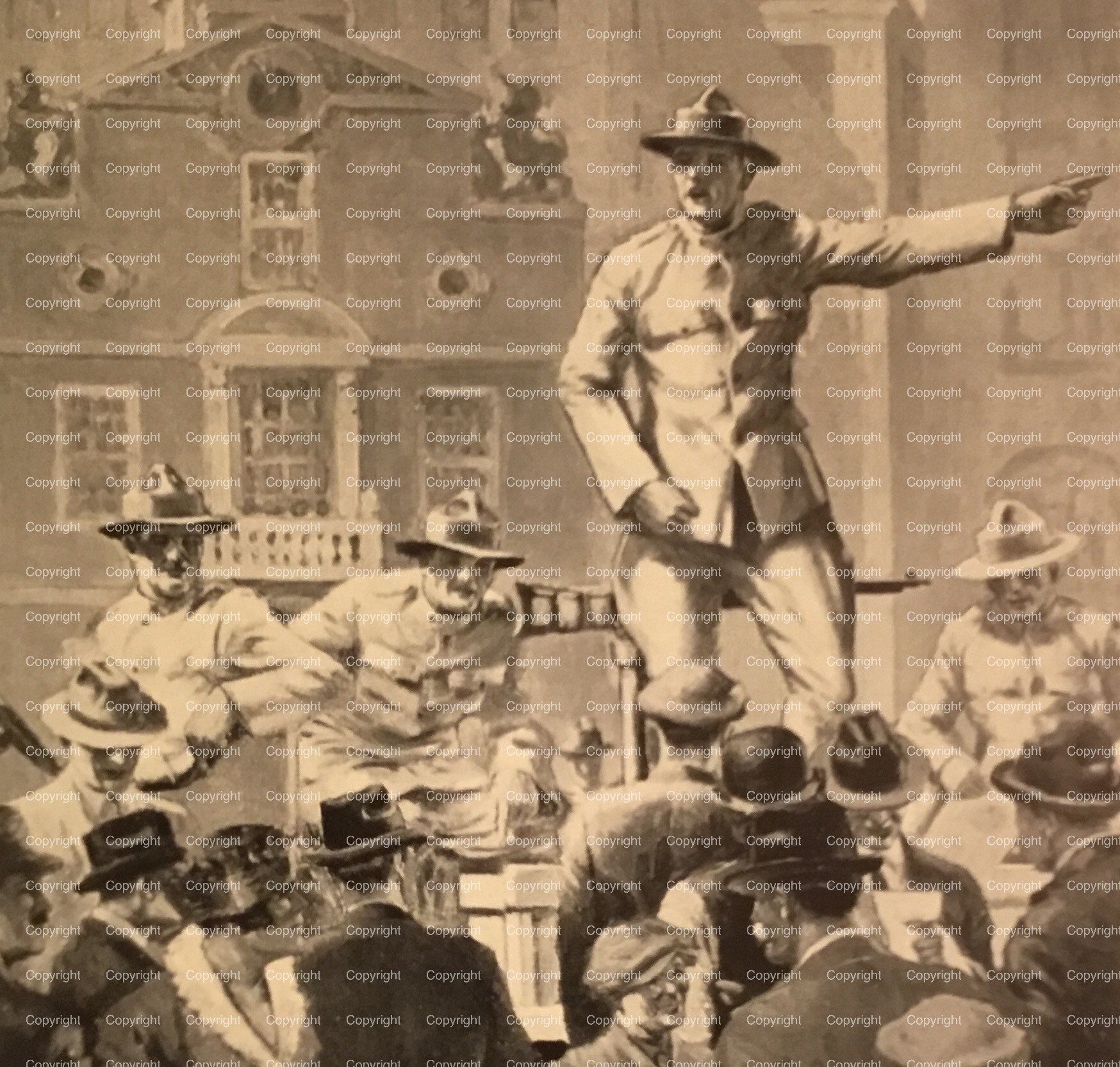
Recruiting on State Street. History of the 101st United States Engineers, (Cambridge, MA: University Press, 1926). Philip A. Burrage Collection.
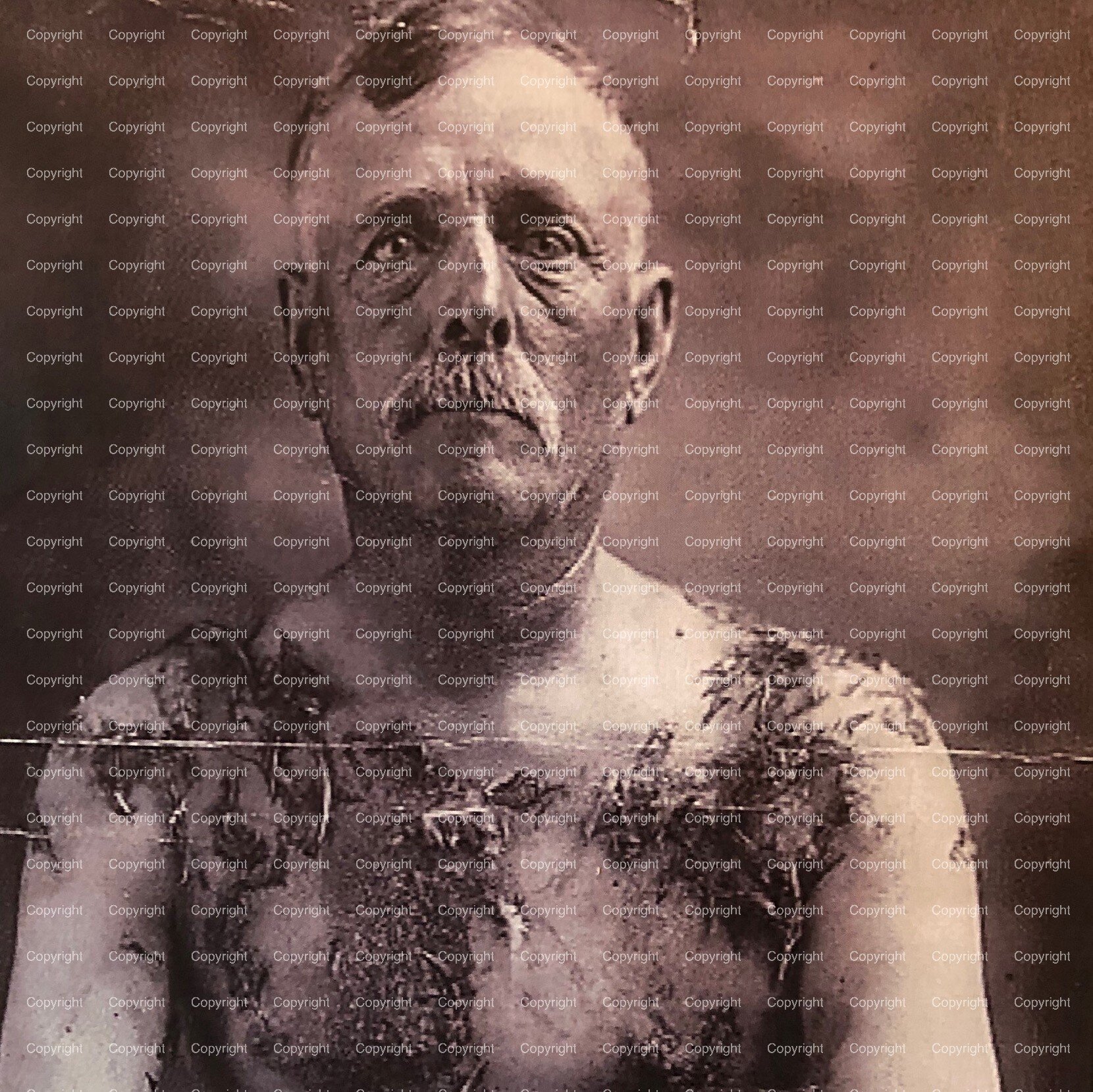
In August 1918, John Meintz, a Minnesota farmer, was whipped and tarred and feathered for being a German American. Courtesy of the National Archives Records Administration.
German-American coal miner Robert Prager was lynched in Collinsville, Illinois before a crowd of two-hundred people. Courtesy of Wikimedia Commons.
Arthur Volkmann, founder and headmaster of the prestigious Volkmann School of Boston, was forced to shut down his institution when newspapers falsely accused him of being a German spy. Courtesy of Noble and Greenough School Archives.
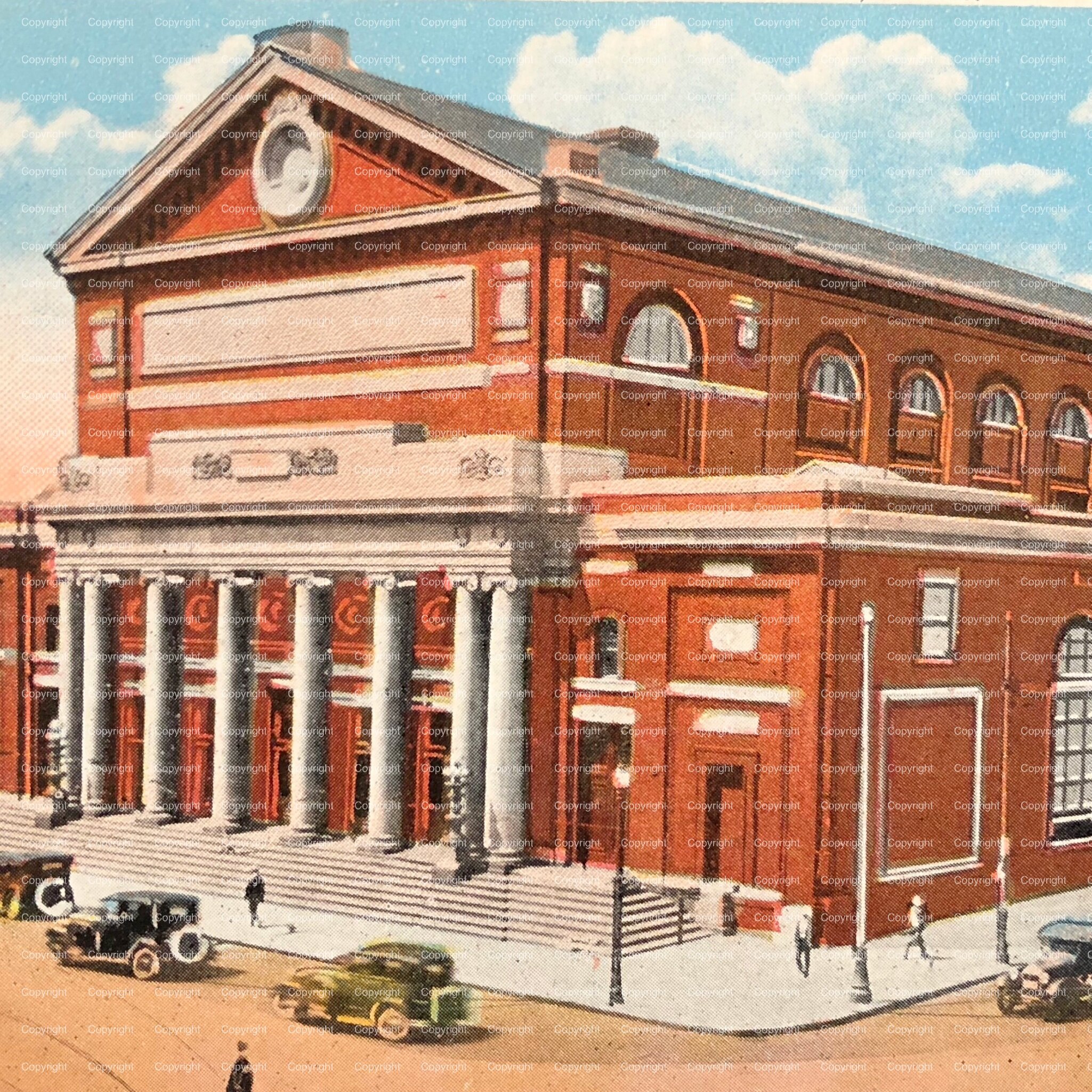
Karl Muck conducting the Boston Symphony Orchestra on Symphony Hall stage. Courtesy of the Boston Symphony Orchestra Archives.
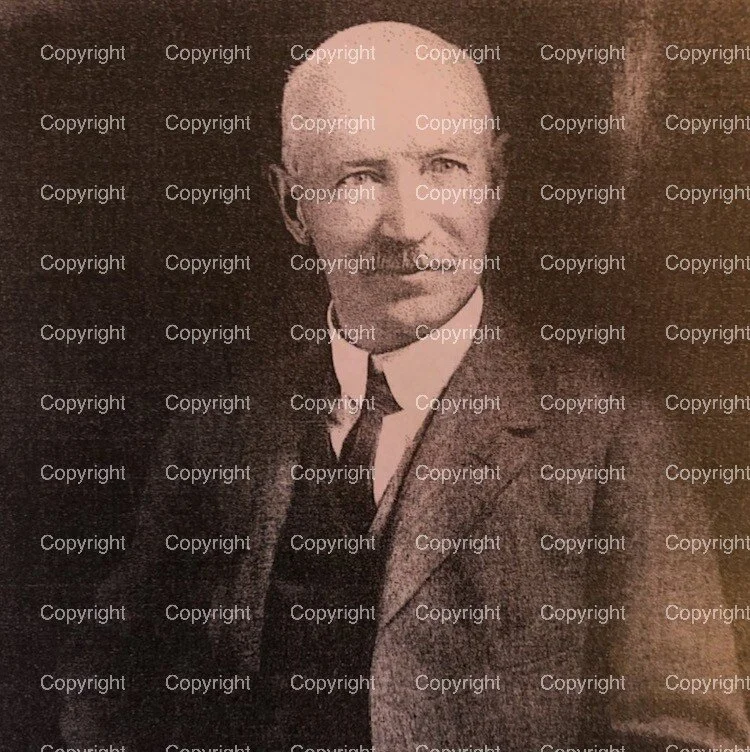
Boston Symphony Orchestra founder Henry Lee Higginson. John Singer Sargent image, taken from Bliss Perry, Life and Letters of Henry Lee Higginson (Boston: Atlantic Monthly Press, 1921).
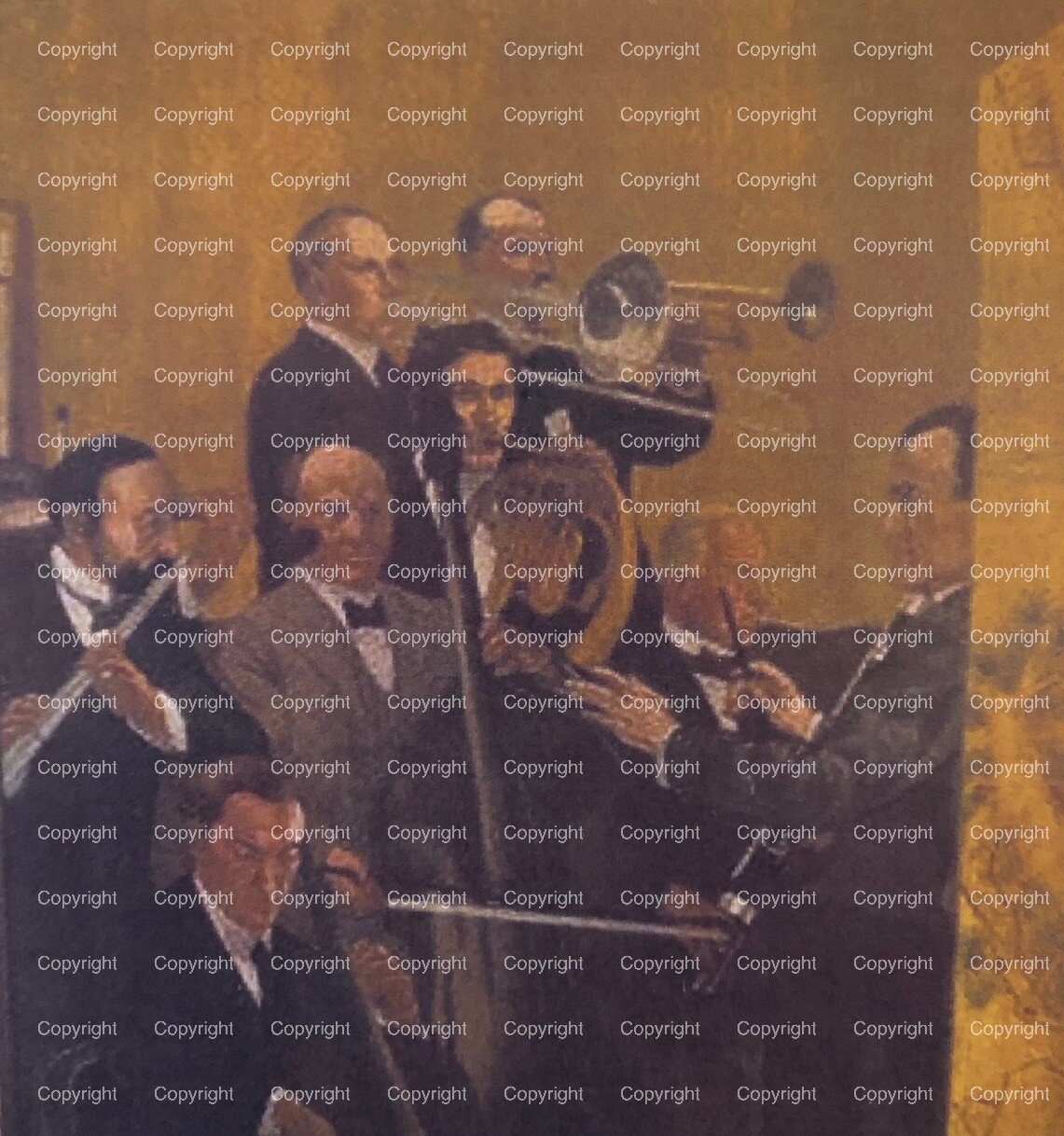
Stanton Macdonald Wright mural in the Santa Monica Public Library installed August 25, 1935, Karl Muck conducting. Courtesy of the Santa Monica Public Library.
Second New England School composer and concert pianist Amy Beach was hugely popular before World War I. The Etude Music Magazine, November 1929. Melissa D. Burrage Collection.
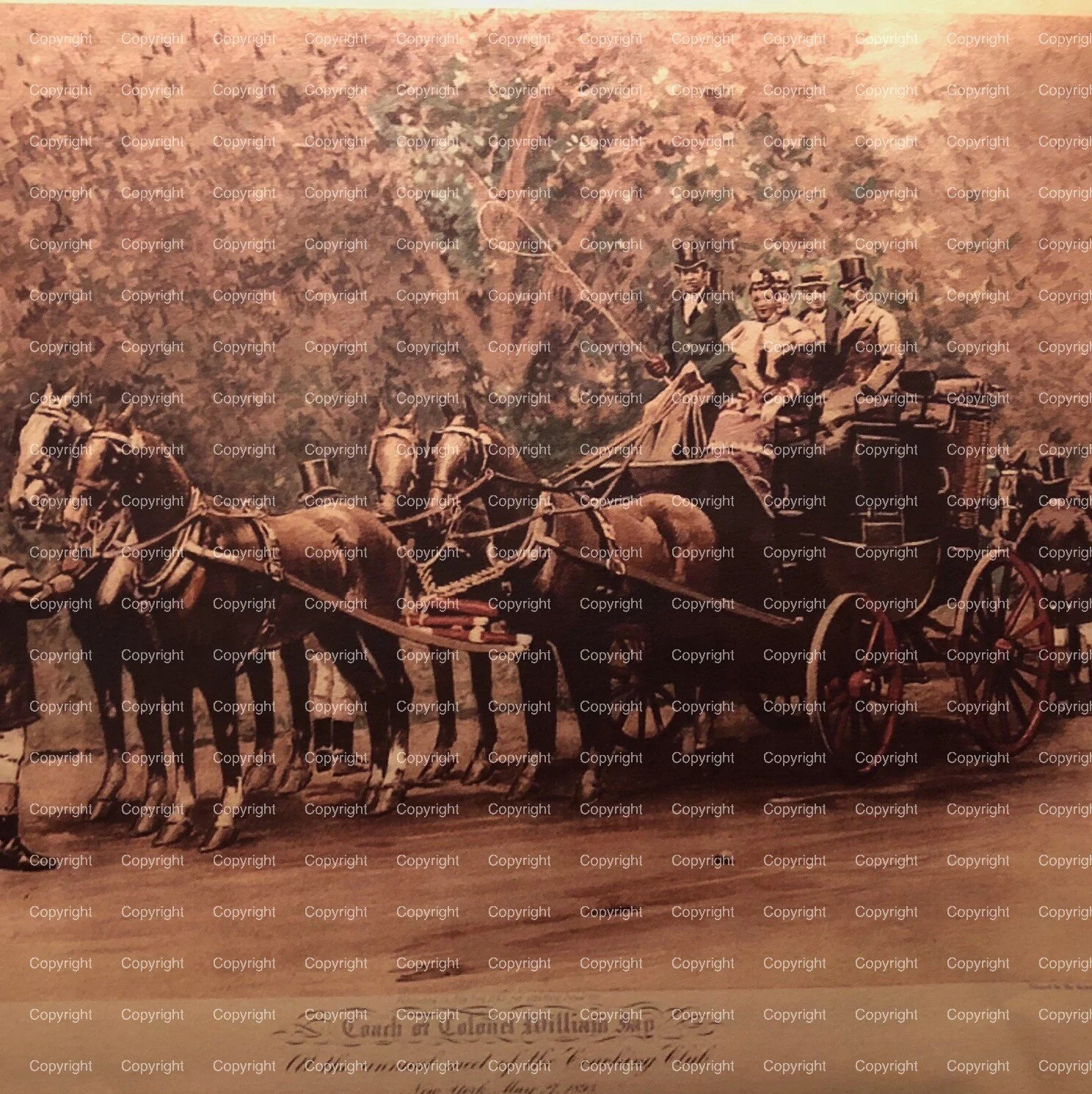
“The Coach of William Jay” William and Lucie Jay on their four-in-hand. W. S. Vanderbilt Allen, Courtesy of Thomas J. Goodwin and the New York Public Library Rare Book Collection.
John R. Rathom, sensational editor of The Providence Journal during World War I. Courtesy of The Providence Journal.
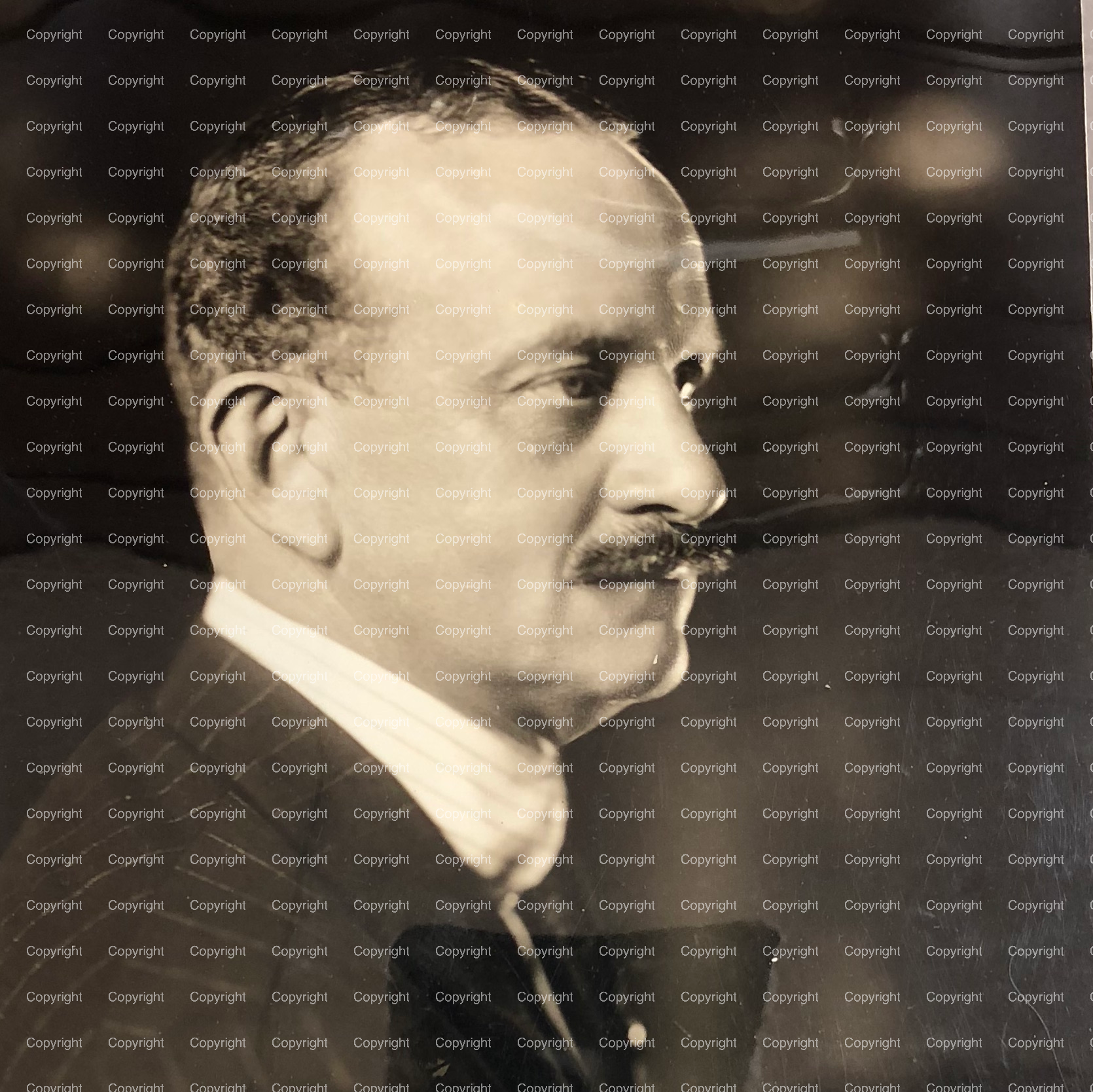
Back Bay Police Station, Boylston Street, where Karl Muck was taken for arrest. Image circa 1914, City of Boston Archives, Public Works, Wikimedia Commons.
Tsing-Tao Orchestra at Fort Oglethorpe Internment Camp. Although unconfirmed, Karl Muck appears on far left. Courtesy of the Deutsches Schiffahrtsmuseum in Bremerhaven.
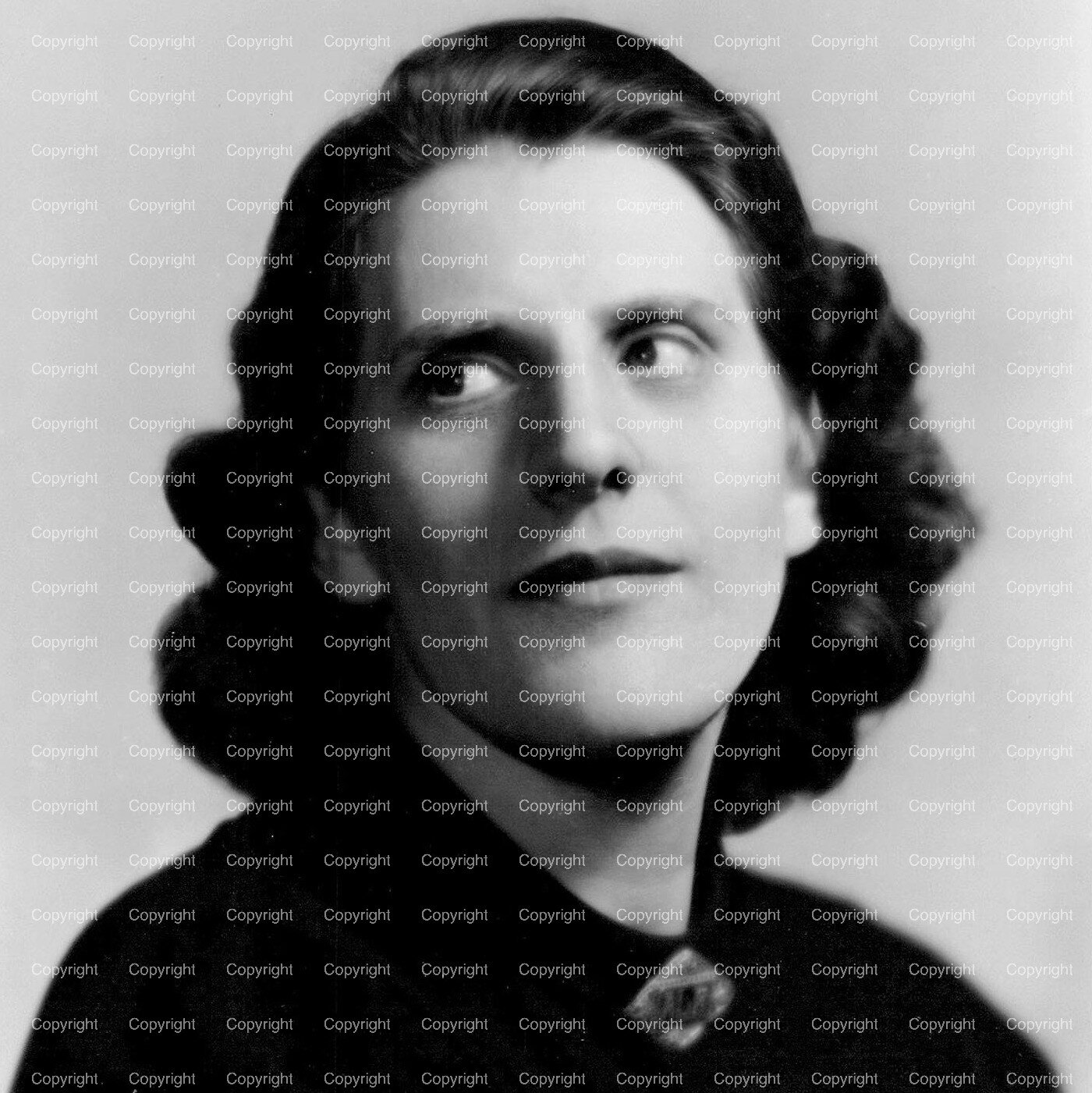
Antonia Brico, student of Karl Muck’s, conductor of the Denver Community Symphony, later called the Denver Philharmonic. Courtesy of the Denver Public Library, Western History Collection.
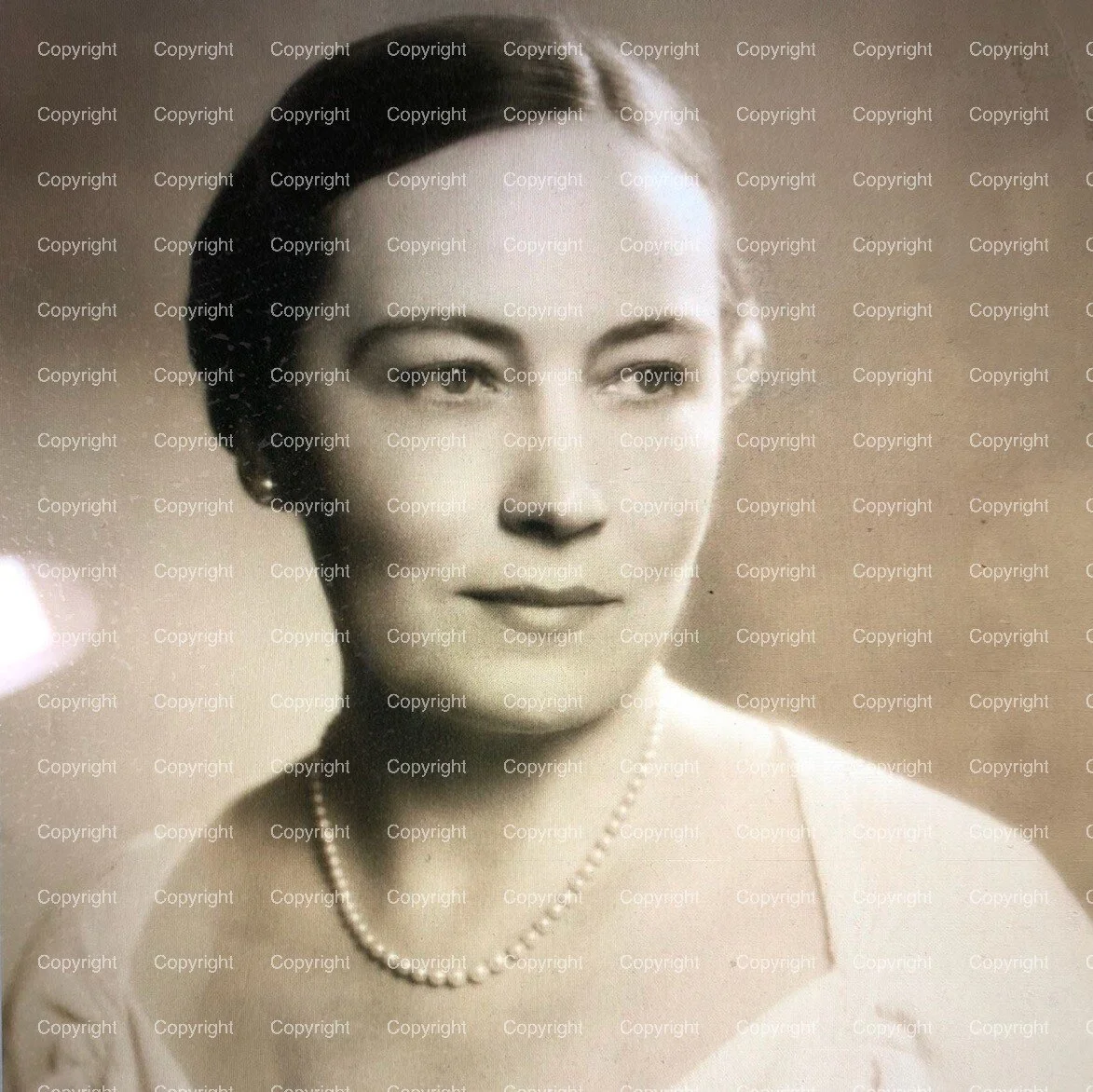
Rosamond Young Chapin. Courtesy of the Belknap Collection for the Performing Arts, Special and Area Studies Collections, George A. Smathers Libraries, University of Florida, Gainesville, Florida.
Australian Annette Kellemann appeared nude in Daughter of the Gods (1916), a pre-censor-era film that enflamed reformers who sought to clamp down on public immorality. Wikimedia Commons.
Isadora Duncan performed in sheer fabric accompanied by an orchestra of classical musicians, often German. Arnold Genthe Photo, courtesy of the Library of Congress.
Maud Allan, Salome Dancer, toured with Swiss composer Ernest Bloch. Courtesy of Dance Canada Danse Archive in Toronto, Canada.
Anita Muck is shown after registering as an alien enemy on June 1, 1918, two months after her husband’s internment. Courtesy of the National Archives Records Administration.
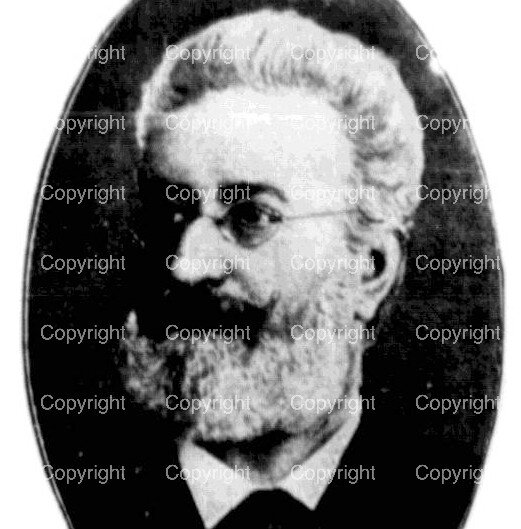
Dr. Ferdinand Portugall, the mayor of Graz, Austria. Karl Muck’s father-in-law. Courtesy of Wikipedia Common.
Gruss aus Bayreuth, 1930 Advertising Poster illustrating Siegfried Wagner, Karl Muck, Arturo Toscanini. Melissa D. Burrage Collection.
Muck with Adolf Hitler, February 1933. Courtesy of the Library of Congress, Prints and Photographs Division.
Adolf Hitler playing with his Alsatian dog Muck at Wachenfels, his mountain retreat in the Bavarian Alps near Berchtesgaden. Courtesy of the Library of Congress, Prints and Photographs Division.
Muck conducting before Hitler (seated in the front row). Courtesy of the Library of Congress, Prints and Photographs Division.
Karl Muck at Fort Oglethorpe, Georgia. Photo taken from The Autobiography of Richard Goldschmidt: In and Out of the Ivory Tower (Seattle: University of Washington Press, 1960).
Karl Muck, Federal Prisoner and his Wife. Photo taken shortly after Muck’s arrest at the Federal Building in Boston. Boston Herald, March 1918.
Fort Oglethorpe, Georgia, watchtower, showing searchlight, guard, and gun. “The guard is always on alert to meet any outbreak of the prisoners.” Courtesy National Archives Records Administration.
The Arrest of Dr. Karl Muck. Surrounded by federal officials, Muck was physically taken from Symphony Hall in March of 1918. Courtesy of the National Archives Records Administration.
Dining Hall, Fort Oglethorpe Internment Camp. Courtesy of the National Archives Records Administration.
Johann Heinrich von Bernstorff, German ambassador to the United States (1908-1917) and friend of Karl Muck. Photo courtesy of the Library of Congress.
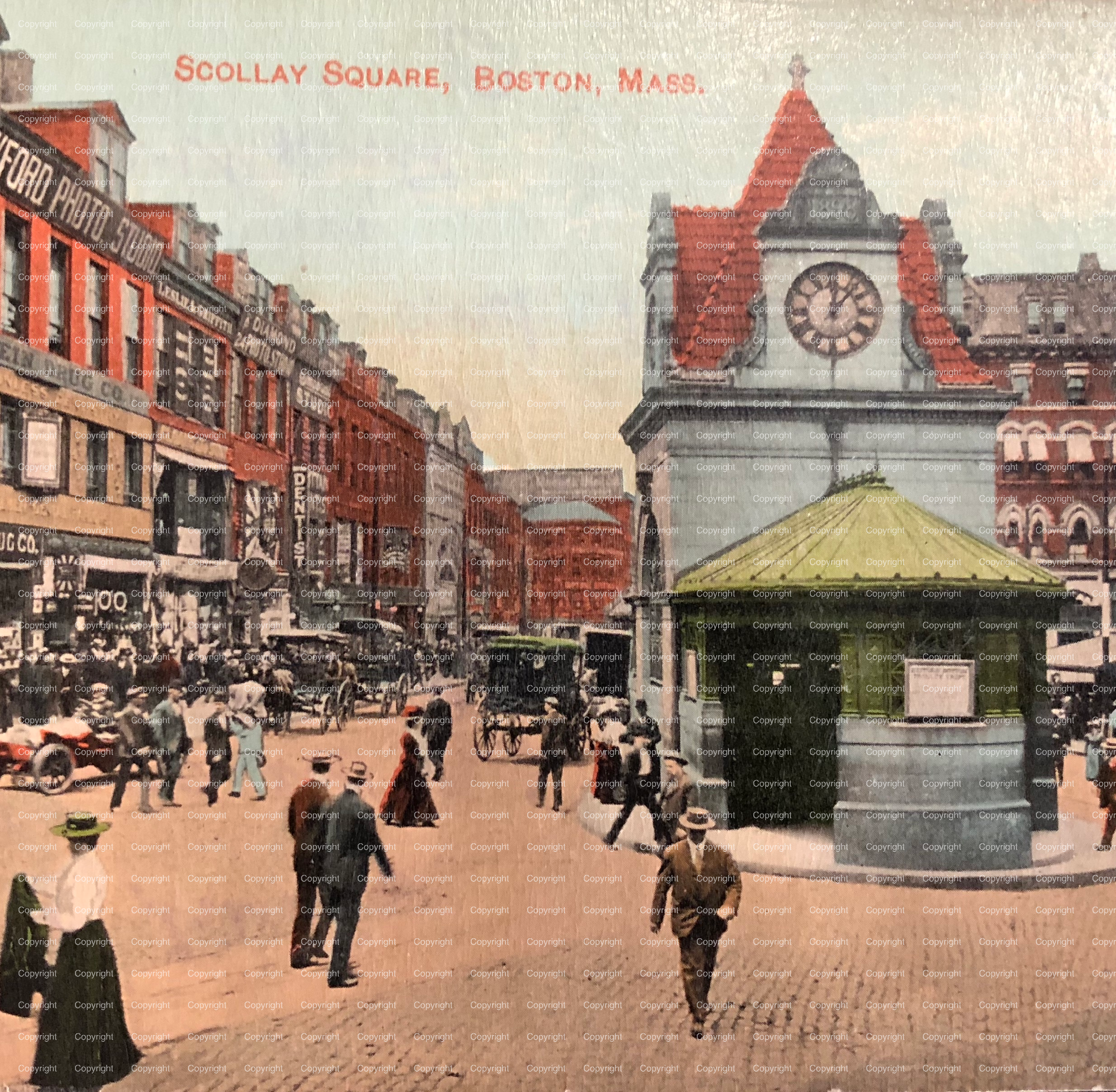
Sexuality became commercialized during the war years. Many Bostonians frequented the Old Howard burlesque house in Scollay Square. Melissa D. Burrage Collection.
Charcoal portrait of Karl Muck, 1916, drawn by evening candlelight by Leopold Seyffert, a native of Seal Harbor, Maine. Courtesy of Robert Seyffert, the artist’s grandson. robertseyffert.com
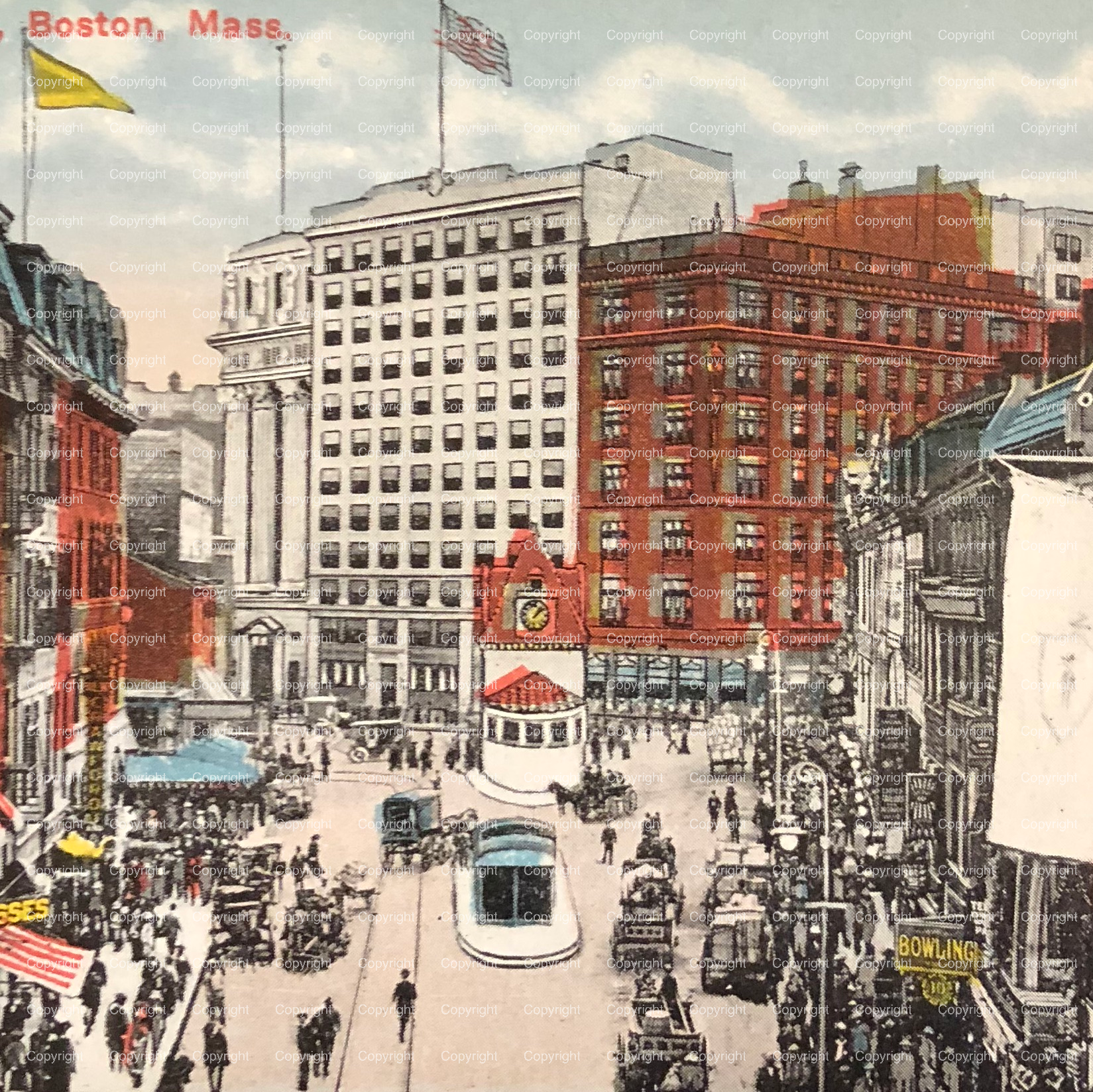
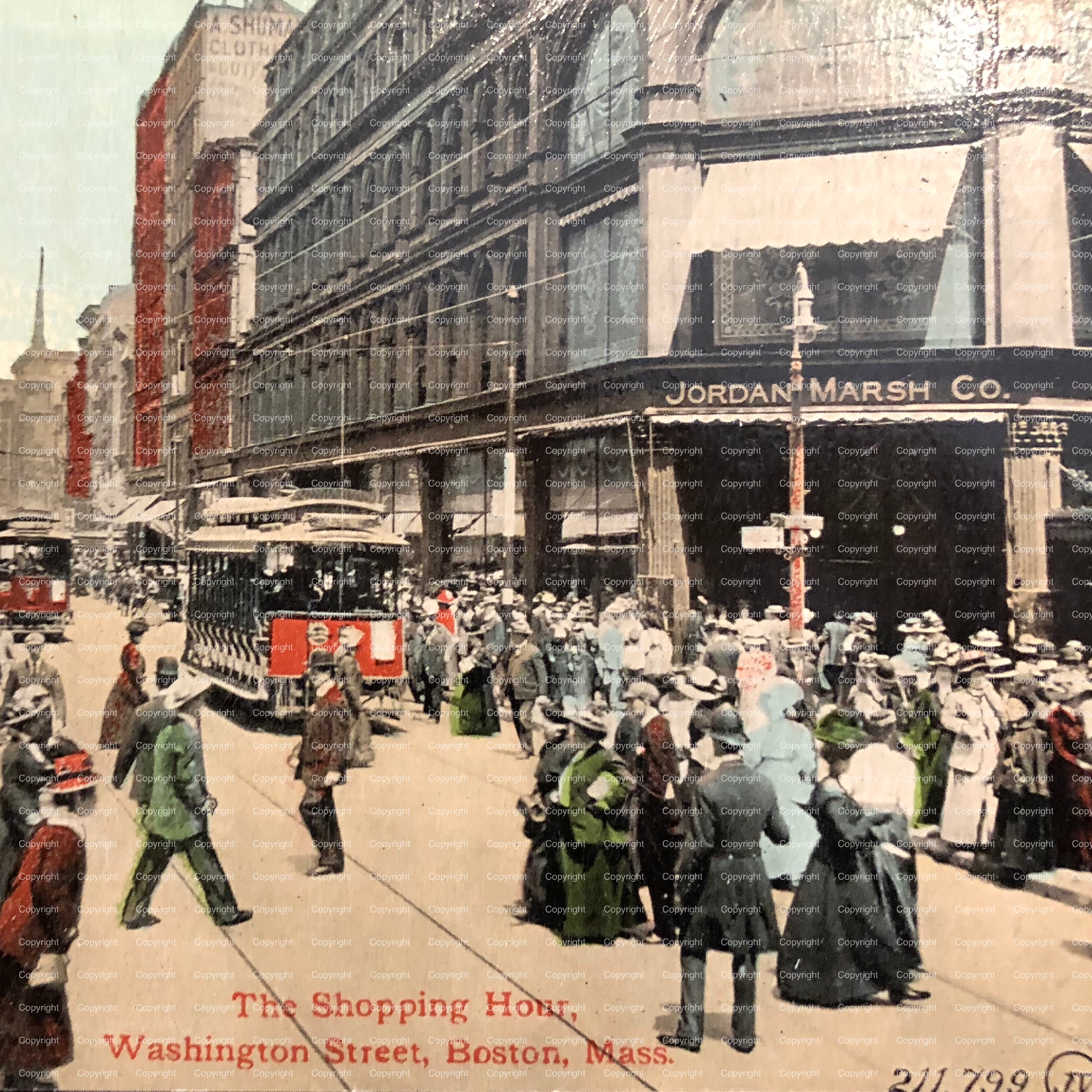
Washington St. Shopping Hour. As this image shows, men and women were in greater contact than ever before. Melissa D. Burrage Collection.
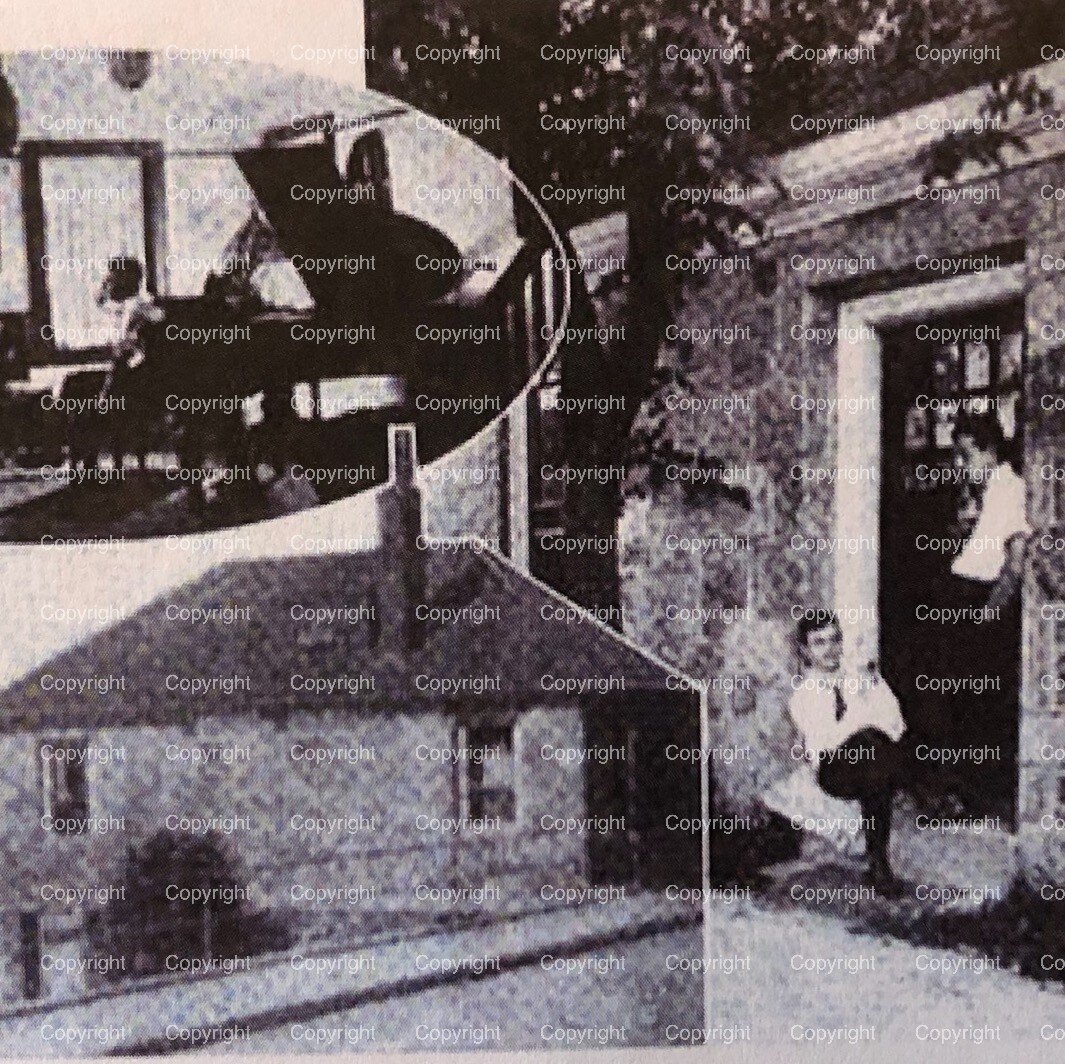
Karl and Anita Muck with their dog looking content and happy outside of their home. Courtesy of the Boston Symphony Archives.
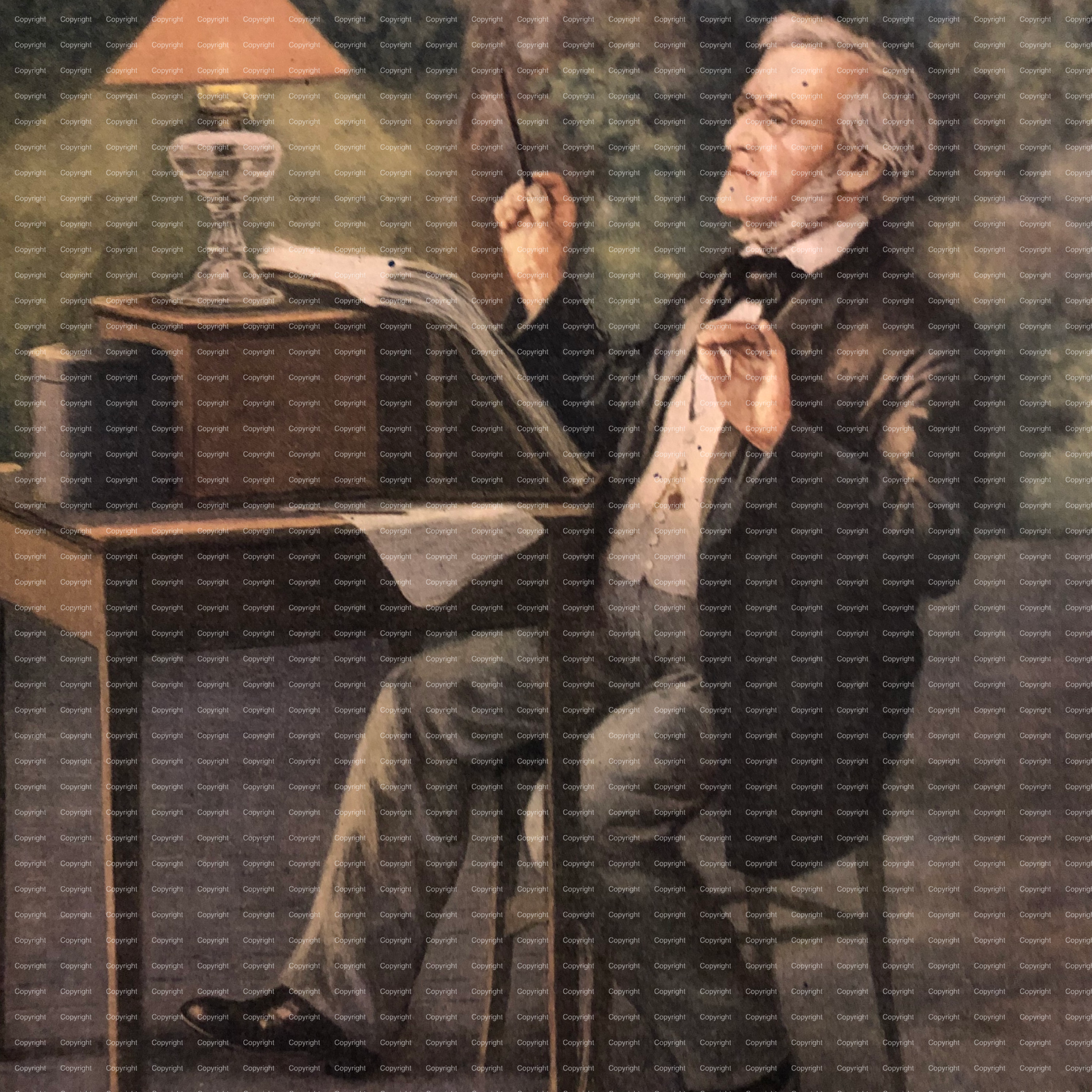
“Richard Wagner Conducting on the Stage at Bayreuth,” Etudes Music Magazine, April 1925. Melissa D. Burrage Collection.
Arthur Fiedler at his Rockport, Massachusetts home, Musical Courier. Like Muck, Fiedler was harassed and followed by the federal government during World War I.
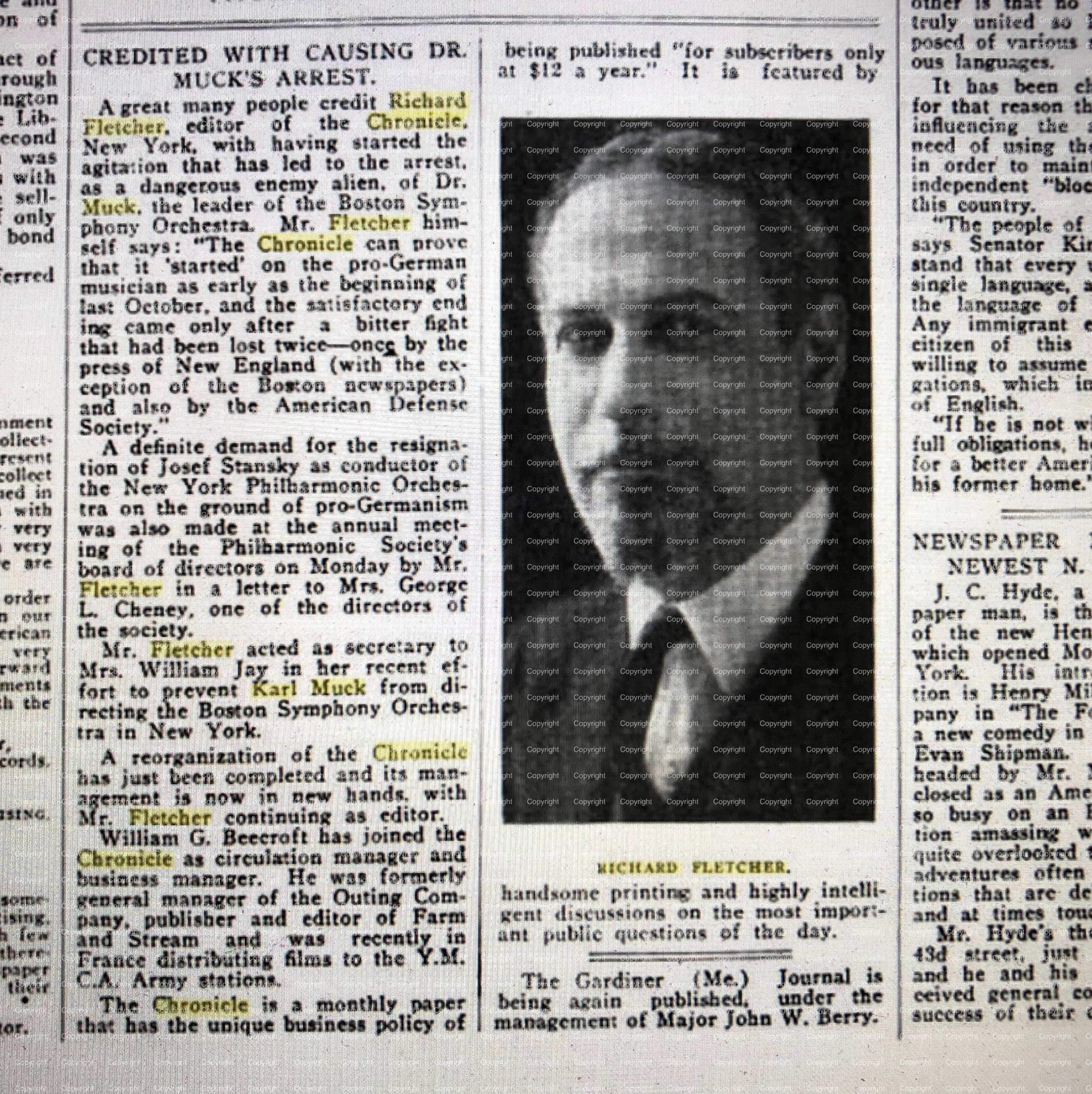
Richard Fletcher, editor of the Chronicle, served as a “mouthpiece of Mrs. Jay in her efforts to prevent Dr. Muck from conducting the BSO in New York.” The Karl Muck Scandal, 136, 160.
“Get Your Hun with the U.S. Marines” was a typical advertisement seen in the Boston Herald in 1918.
“Shoot Him! The Kaiser.” This advertisement appeared in the Boston Herald on March 9, 1918, playing a role in the demonization of Germans so prevalent at that time.
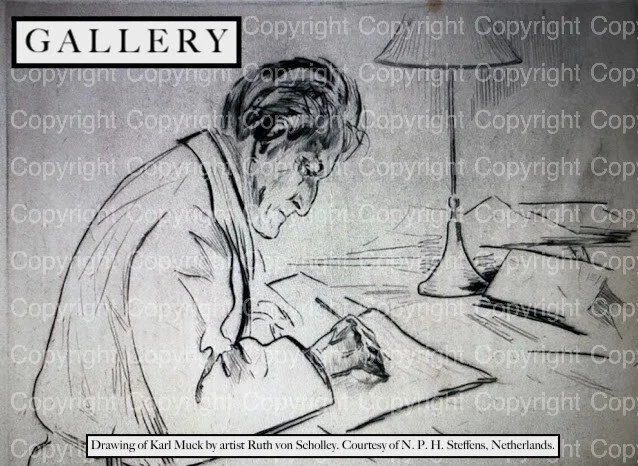
Ruth von Scholley (1893–1969) considered to be Karl Muck’s unofficial adopted daughter, painted Japanese Women around a Kettle, also called Birth of a Dragon, 1919 (Accession Number P33w16). It hangs in the Vatichino (Little Vatican), in the Isabella Stewart Gardner Museum in Boston. Courtesy of the Isabella Stewart Gardner Museum.